

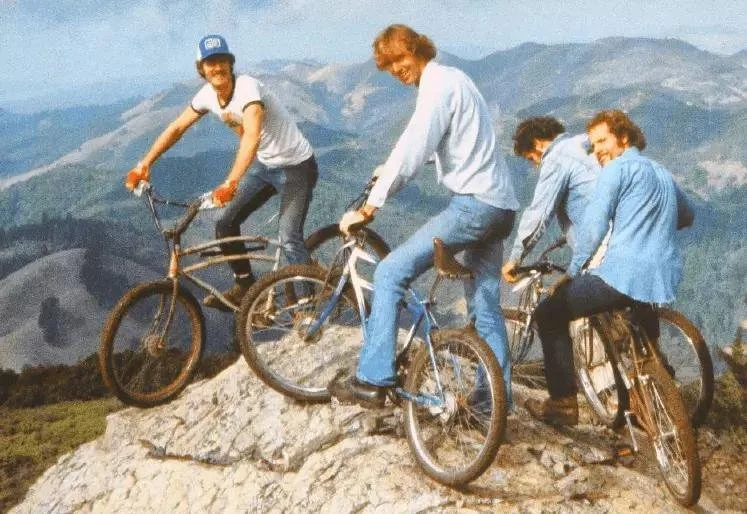
Marin County
Mountain biking as we know it today was born in the 1970s, largely in Marin County, California, on the slopes of Mount Tamalpais. But its roots go back much further, and its invention wasn't the work of one person or one place.
The story involves early off-road cyclists, a group of adventurous riders in Marin, modified cruiser bicycles known as klunkers, and a downhill fire road called Repack.
Over the following five decades, mountain biking evolved from a small California counterculture into an Olympic sport, a multibillion-dollar industry, and a global community.
During the early 1970s, cyclists in Marin County began riding the fire roads of Mount Tamalpais and the surrounding hills.
They gravitated toward sturdy 1930s–1950s balloon-tire bicycles, particularly Schwinn cruisers, which could withstand the punishment of rocky descents.
These bikes were commonly called klunkers, a name reflecting their heavy, rattling construction.
Riders modified them by removing unnecessary parts and adding stronger components. Common changes included motorcycle-style handlebars, better brakes, reinforced wheels, and eventually multiple gears.
The key pioneers
Several individuals helped transform this informal pastime into modern mountain biking.
Gary Fisher — Helped popularize multi-speed off-road bikes and later became a major figure in mountain bike manufacturing.
Joe Breeze — Built some of the first purpose-built modern mountain bike frames in 1977.
Charlie Kelly — Helped organize the Repack races and co-founded MountainBikes with Fisher.
Tom Ritchey — Built influential early mountain bike frames that helped make commercial production possible.
Otis Guy — An important early Marin rider, racer, and frame builder.
Other significant figures included Fred Wolf, Alan Bonds, Wende Cragg, and many members of the Larkspur Canyon Gang and Velo Club Tamalpais.
The development was collaborative, not the invention of a single individual.

Repack: The race that helped launch a sport (1976–1984)
On October 21, 1976, a group of Marin riders held the first recorded Repack downhill race on a steep fire road near Fairfax.
The course was approximately two miles long and descended about 1,300 feet.
The name Repack came from the need to repack the grease in coaster-brake hubs after demanding descents. The brakes could become extremely hot, breaking down the grease inside.
Repack became a proving ground for riders and equipment.
The races encouraged innovation in braking, gearing, geometry, and frame strength. The experience gained on those descents directly influenced the development of the modern mountain bike.
Why Repack matters: It brought together competition, technical experimentation, and a community of riders at a pivotal moment in the sport's history.
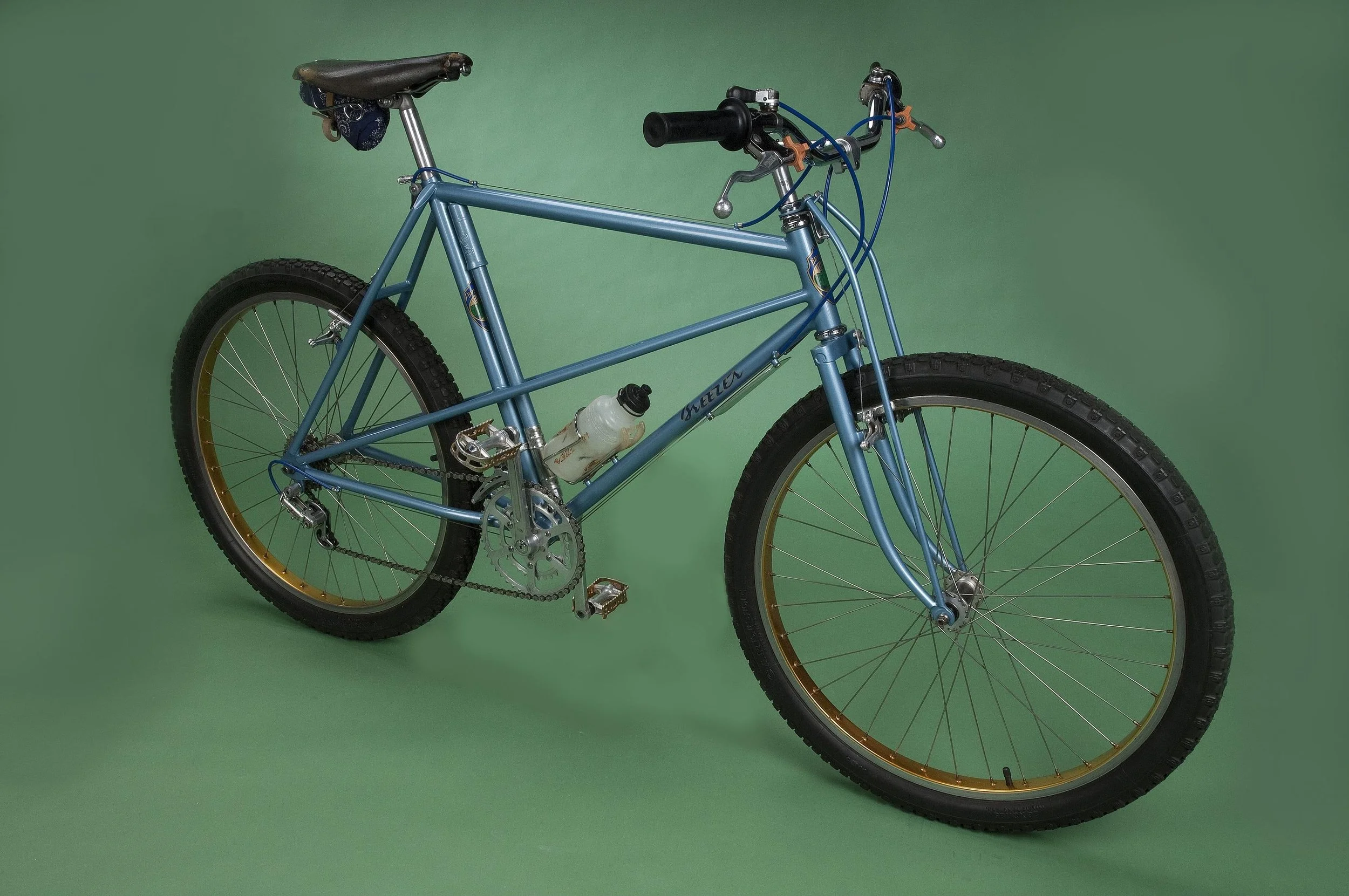
In 1977, Joe Breeze built Breezer #1, widely regarded as the first successful modern mountain bike made with a purpose-built frame and all-new components. By spring 1978, he had completed ten bikes.
In 1979, Gary Fisher and Charlie Kelly established MountainBikes, selling bicycles built around frames made by Tom Ritchey.
Then, in 1981, Specialized introduced the Stumpjumper, an influential mass-produced mountain bike that helped make the sport accessible to a much larger audience.
This was the transition from modified old bicycles to an entirely new category of cycling equipment.
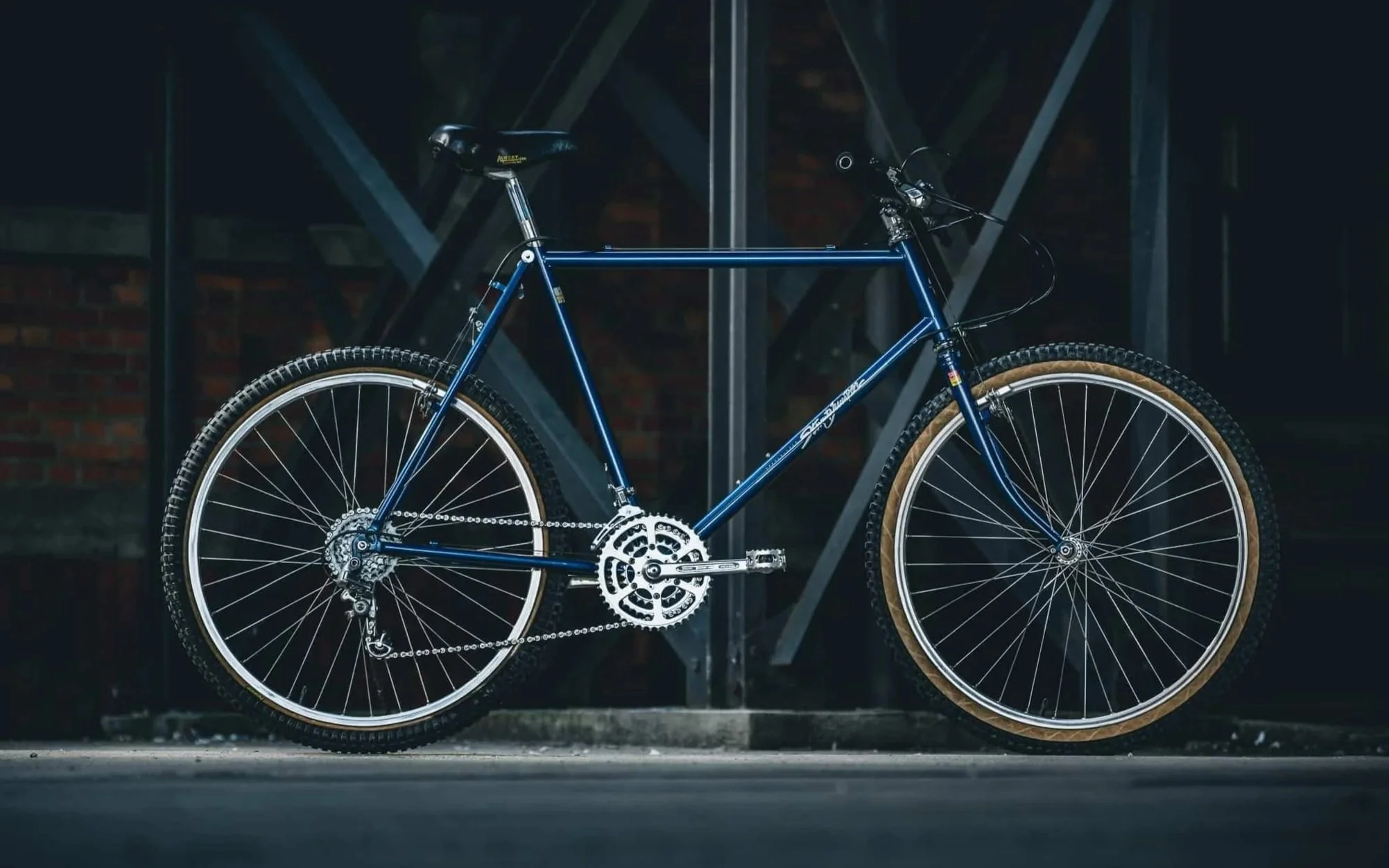
During the 1980s, mountain biking expanded rapidly beyond Northern California.
New brands, organized races, and dedicated cycling magazines brought mountain biking to a mainstream audience.
The decade saw major advances in components, including indexed shifting, stronger drivetrains, improved cantilever brakes, and lighter frames.
The National Off-Road Bicycle Association (NORBA), founded in 1983, helped establish organized American competition.
Mountain biking was no longer just about riding downhill. Cross-country riding, climbing, touring, and exploring remote trails became central to the sport.
And the rest is history….